5 Signs You Might Need a Dental Crown
Many people associate dental crowns with badly broken teeth. But crowns are often recommended long before a tooth reaches that stage.
At Garden City Dental Practice, dental crowns are commonly used to strengthen and protect teeth that have become weakened from decay, fractures, large fillings, or long-term wear. In many cases, placing a crown early may help prevent further damage and reduce the risk of losing the tooth altogether.
If you have been experiencing tooth pain, sensitivity, or discomfort when chewing, it may be worth having the tooth assessed before the problem worsens.
Here are five common signs that may indicate a dental crown could be recommended.
1. Your Tooth Has Cracked or Broken
A cracked or broken tooth is one of the most common reasons a dental crown may be needed.
Sometimes the crack is obvious after biting on something hard. Other times, the crack may be much smaller and difficult to see, but you may notice discomfort when chewing or biting down.
Without protection, cracks can worsen over time as pressure continues to be placed on the tooth during everyday eating and chewing.
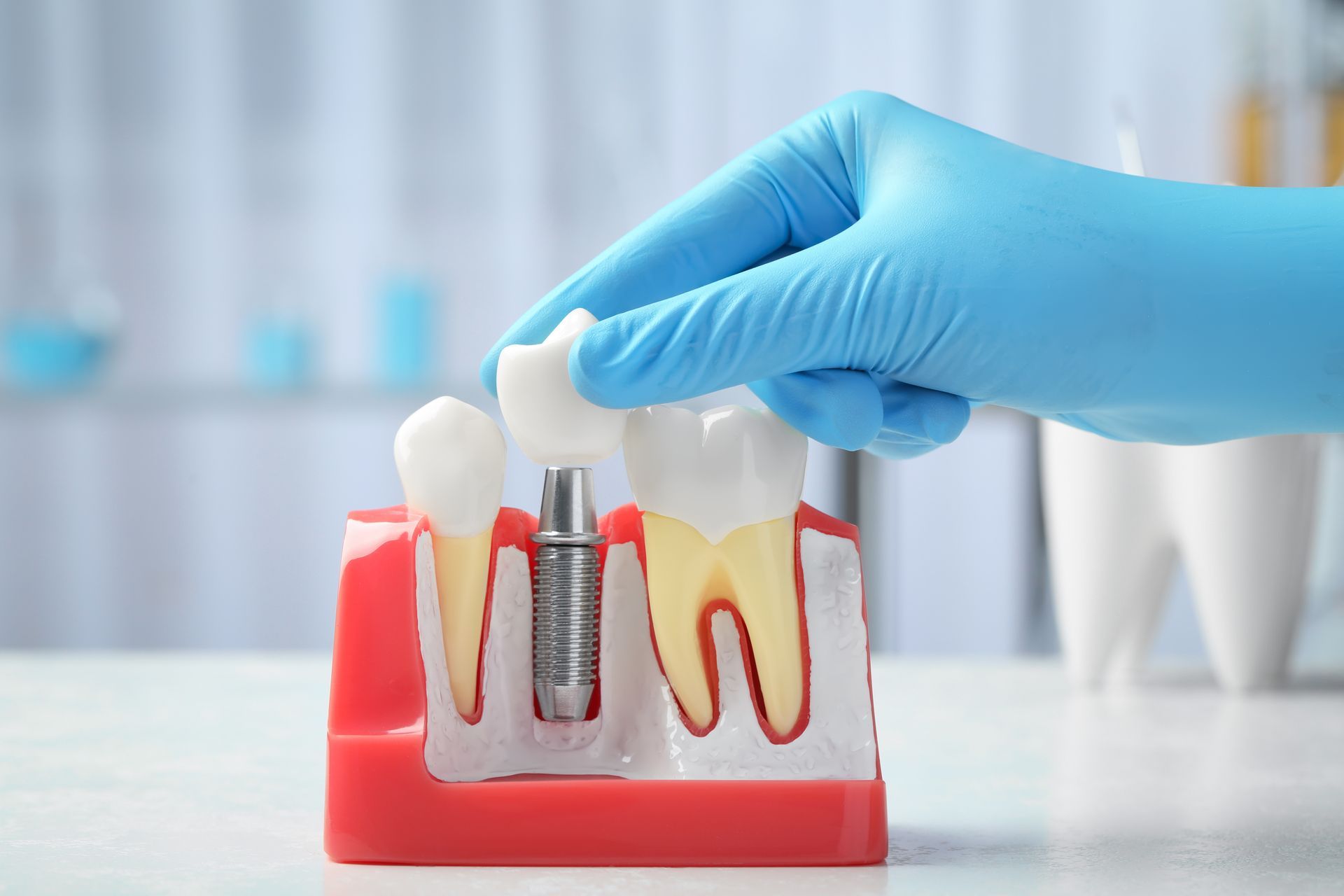
A dental crown covers the entire tooth, helping protect the remaining tooth structure and reducing the risk of the crack progressing further.
2. You Have a Large or Old Filling
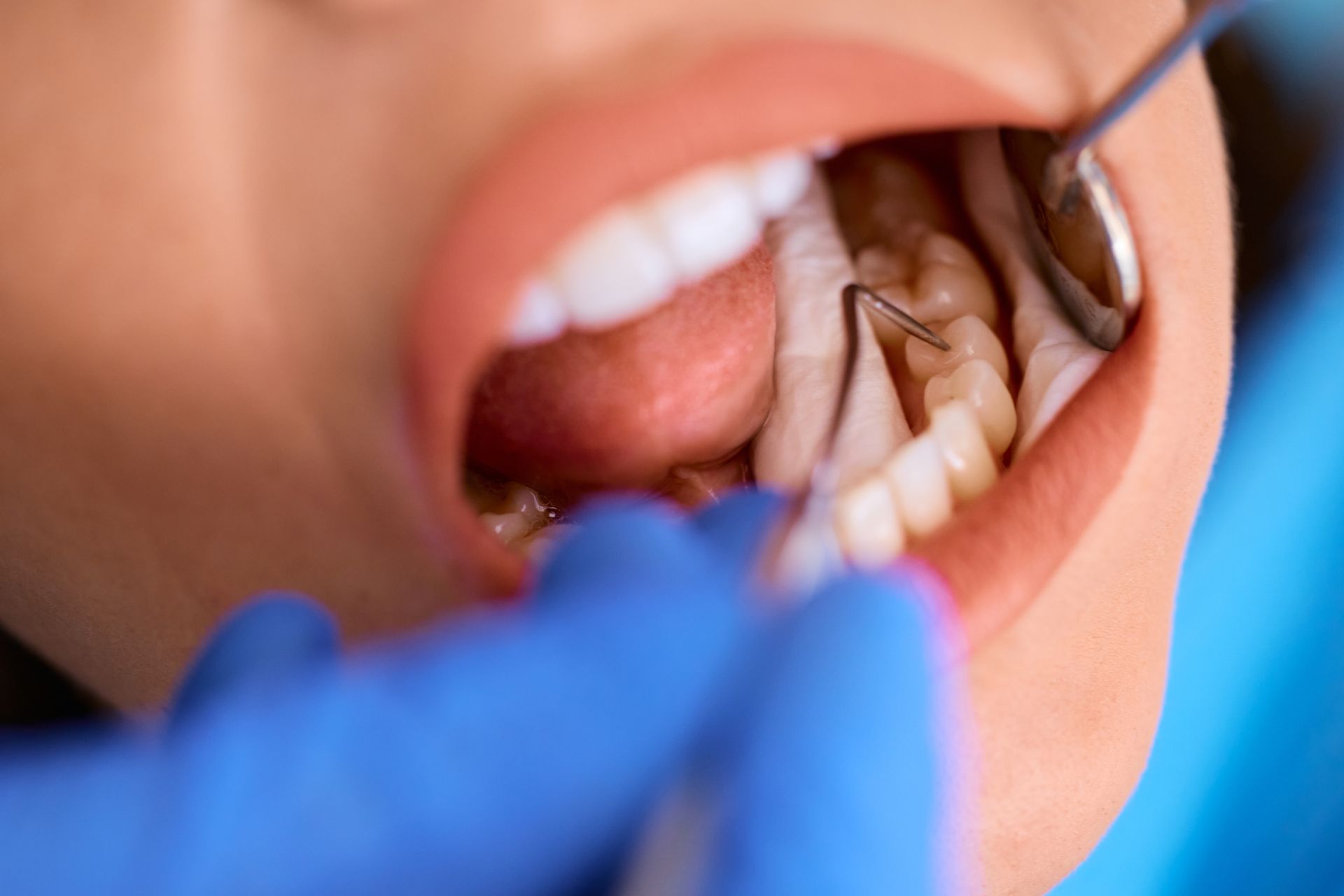
Large fillings can weaken teeth over time, especially when there is limited healthy tooth structure remaining.
We often see older fillings begin to break down or leak around the edges, which may increase the risk of fractures or further decay underneath the tooth.
In these situations, a filling may no longer provide enough strength to support the tooth properly. A dental crown may be recommended to help reinforce and protect the tooth long-term.
This is particularly common in back teeth, where stronger chewing forces are placed on the tooth every day.
3. Your Tooth Hurts When You Bite Down
Pain when biting or chewing is not always caused by decay. In some cases, it may indicate:
- A cracked tooth
- A weakened cusp
- Damage underneath a filling
- Excessive pressure from grinding or clenching
These issues are not always visible without a dental examination and X-rays.
Many patients ignore these symptoms because the pain may come and go initially. However, ongoing pressure on a weakened tooth can eventually lead to larger fractures or infection if left untreated.
4. Your Teeth Are Worn Down from Grinding or Clenching
Teeth grinding and clenching can gradually wear down the biting surfaces of teeth over time. As teeth become shorter and weaker, patients may begin noticing:
- Increased tooth sensitivity
- Chipping around the edges
- Difficulty chewing comfortably
- Tight jaw muscles or headaches
- Flattened or worn teeth
Depending on the severity of the wear, dental crowns may be used to help rebuild the tooth structure and protect the teeth from further damage.
In some cases, your dentist may also recommend a custom splint to help manage ongoing grinding.

5. You’ve Had Root Canal Treatment
After root canal treatment, the inside of the tooth is cleaned and sealed to remove infection. While this allows the tooth to remain in place, the tooth itself may become more brittle over time.
Back teeth that have had root canal treatment are often more vulnerable to fractures because they continue to handle strong chewing forces every day.
For this reason, dental crowns are commonly recommended after root canal therapy to help strengthen and protect the tooth long term.
Why Early Treatment Matters
One of the biggest misconceptions patients have is: “If it’s not hurting badly, I can probably leave it.”
Unfortunately, many weakened teeth continue deteriorating quietly before suddenly breaking.
Treating the tooth earlier may help:
- Prevent larger fractures
- Reduce the risk of infection
- Avoid more complex treatment
- Improve long-term tooth survival
- Reduce the likelihood of extraction
The earlier a damaged tooth is assessed, the more treatment options are usually available.
Can a Dental Crown Help Save a Tooth?
In many situations, yes. Dental crowns are designed to help preserve teeth that may otherwise continue weakening or eventually require removal.
By protecting the remaining tooth structure, crowns may help restore:
- Strength
- Function
- Stability
- Chewing comfort
Every tooth is different, which is why a proper dental assessment is important before deciding on treatment.

Frequently Asked Questions
Does getting a dental crown hurt?
The procedure is generally well tolerated and performed under local anaesthesia. Patients may experience mild discomfort or sensitivity afterward, but this is typically temporary.
How long do dental crowns last?
The lifespan of a dental crown varies depending on oral hygiene, teeth grinding, and ongoing dental care. With proper maintenance, crowns may last many years.
Can a dental crown fix a cracked tooth?
Dental crowns are commonly used to help strengthen and protect cracked teeth, depending on the severity and location of the crack.
Do all teeth need crowns after root canal treatment?
Not always. However, crowns are commonly recommended for back teeth after root canal treatment because they experience greater chewing pressure.
What’s the difference between a filling and a crown?
Fillings repair smaller areas of damage within a tooth, while crowns cover and protect the entire tooth when additional strength and support are needed. To learn more about the differences between the two, read our in-depth blog here.
Concerned About a Weak or Damaged Tooth?
If you are experiencing tooth pain, discomfort when chewing, or concerns about a cracked or heavily filled tooth, the team at Garden City Dental Practice can assess your oral health and discuss whether a dental crown may help protect and restore your tooth.
To learn more about dental crowns in Toowoomba, book a consultation online or contact our team today.