Is It Better to Save a Tooth or Remove It?
When a tooth becomes badly damaged, infected, or painful, one of the most common questions patients ask is:
“Is it better to save the tooth, or should I just remove it?”
The answer depends on several factors, including the condition of the tooth, your overall oral health, long-term function, and the available treatment options.
At Garden City Dental Practice, our focus is always on helping patients make informed decisions about their oral health. In many cases, preserving a natural tooth is possible with treatments such as root canal therapy, crowns, or restorative dental care. However, there are also situations where removing a tooth may be the healthier long-term option.
Understanding the difference can help you make a more confident decision about your dental treatment.
Why We Recommend Saving Your Natural Teeth
Natural teeth are designed to function together as part of your bite. Whenever possible, preserving a healthy natural tooth is usually preferred over extraction for the following reasons:
- Maintain normal chewing function
- Support neighbouring teeth
- Preserve jawbone structure
- Reduce shifting or bite changes
- Avoid the need for tooth replacement treatment
Modern dentistry has also made it possible to restore many teeth that may previously have required extraction. That said, not every tooth can or should be saved.
Common Reasons a Tooth May Need Treatment
A tooth may become damaged or infected for several reasons, including:
- Deep tooth decay
- Dental trauma or fractures
- Large failing fillings
- Advanced gum disease
- Tooth infections or abscesses
- Teeth grinding and wear
- Cracked teeth
Some problems may cause significant pain, while others develop gradually with very few symptoms. This is why regular dental check-ups remain important. Early diagnosis often provides more options for saving the tooth before damage becomes more extensive.

When Saving the Tooth May Be Possible
Depending on the condition of the tooth, we may recommend restorative treatment to preserve your natural tooth structure.
Root Canal Treatment
If the nerve inside the tooth becomes infected or inflamed, root canal treatment may allow the tooth to be cleaned, disinfected, and sealed rather than removed.
A dental crown is often recommended afterwards to help strengthen and protect the tooth.
Dental Crowns
Crowns are commonly used to restore teeth that are weakened, cracked, heavily filled, or worn down. By covering and protecting the remaining tooth structure, crowns may help extend the lifespan of the tooth and improve function.
Fillings & Restorative Dentistry
Smaller areas of decay or damage may sometimes be treated with tooth-coloured fillings or other restorative dental treatment before more significant problems develop.
When Tooth Removal May Be Recommended
While preserving natural teeth is often preferred, there are situations where removing the tooth may be the healthier long-term option. This may include:
- Severe tooth fractures below the gumline
- Advanced infection with limited remaining tooth structure
- Teeth with severe bone loss from gum disease
- Impacted wisdom teeth
- Teeth that cannot be predictably restored
In some cases, attempting to save a severely compromised tooth may lead to ongoing infection, discomfort, or repeated dental treatment.
Your local dentist in Toowoomba will assess whether the tooth can be restored predictably and discuss all available options before treatment begins.
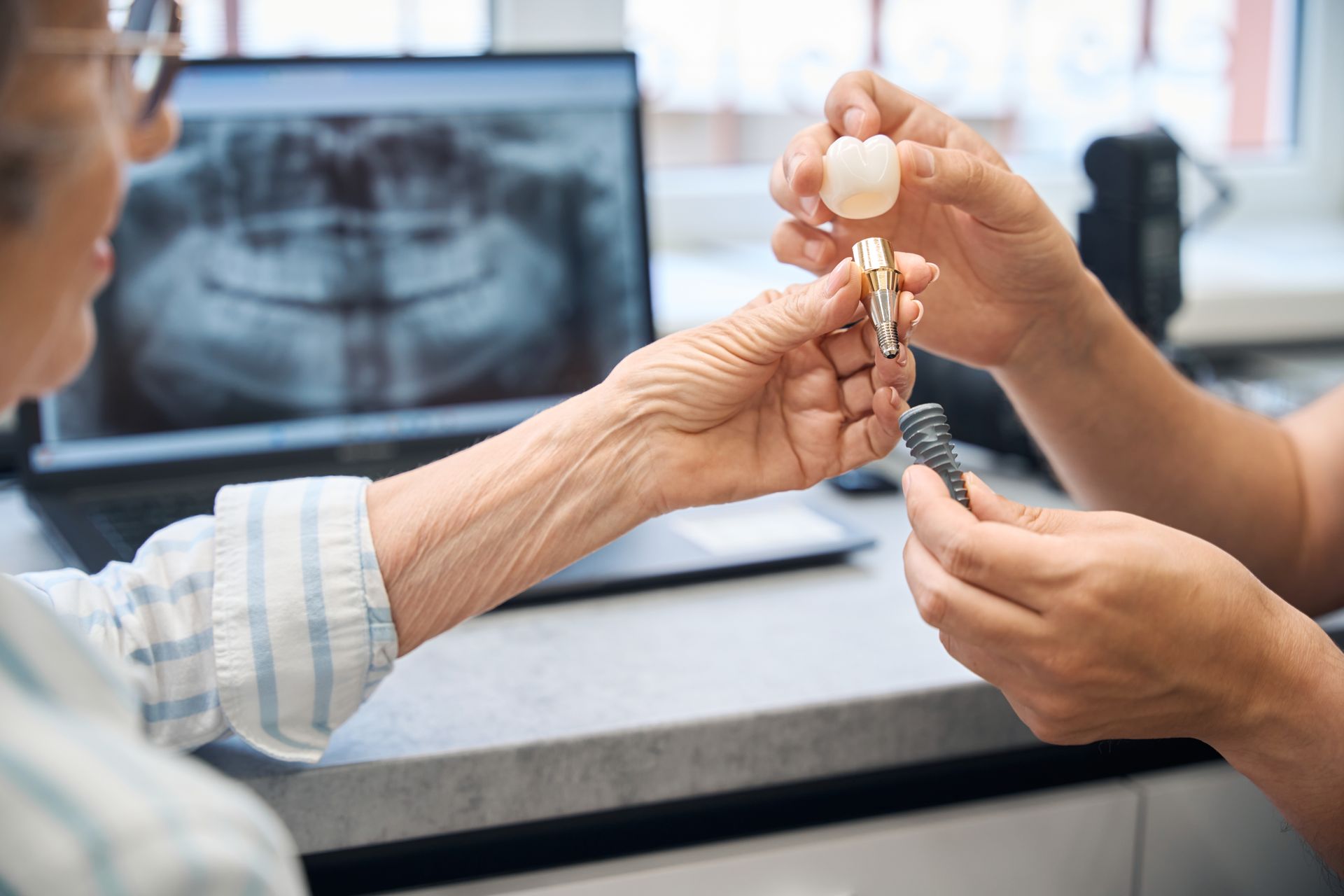
Is It Better to Save a Tooth or Get a Dental Implant?
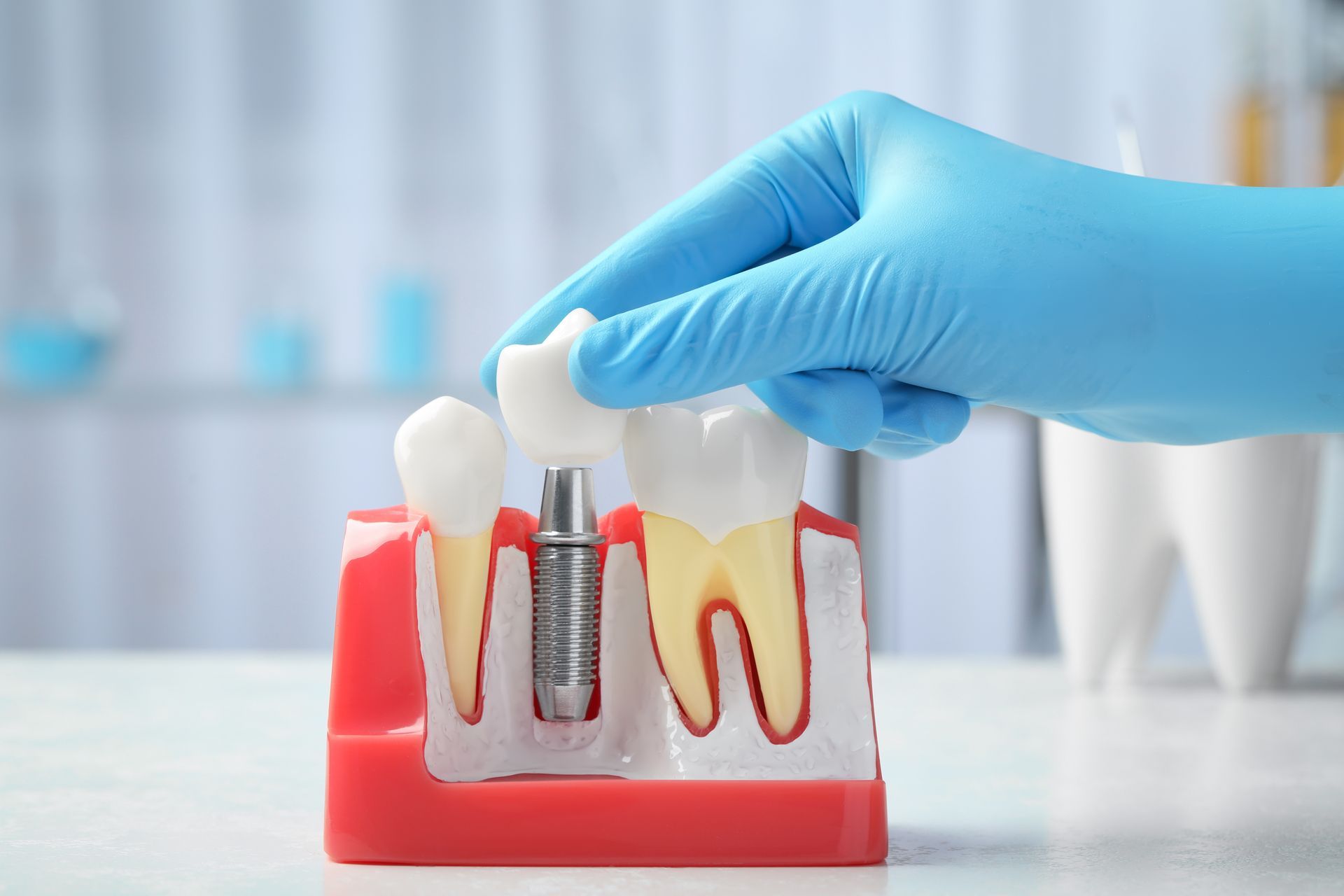
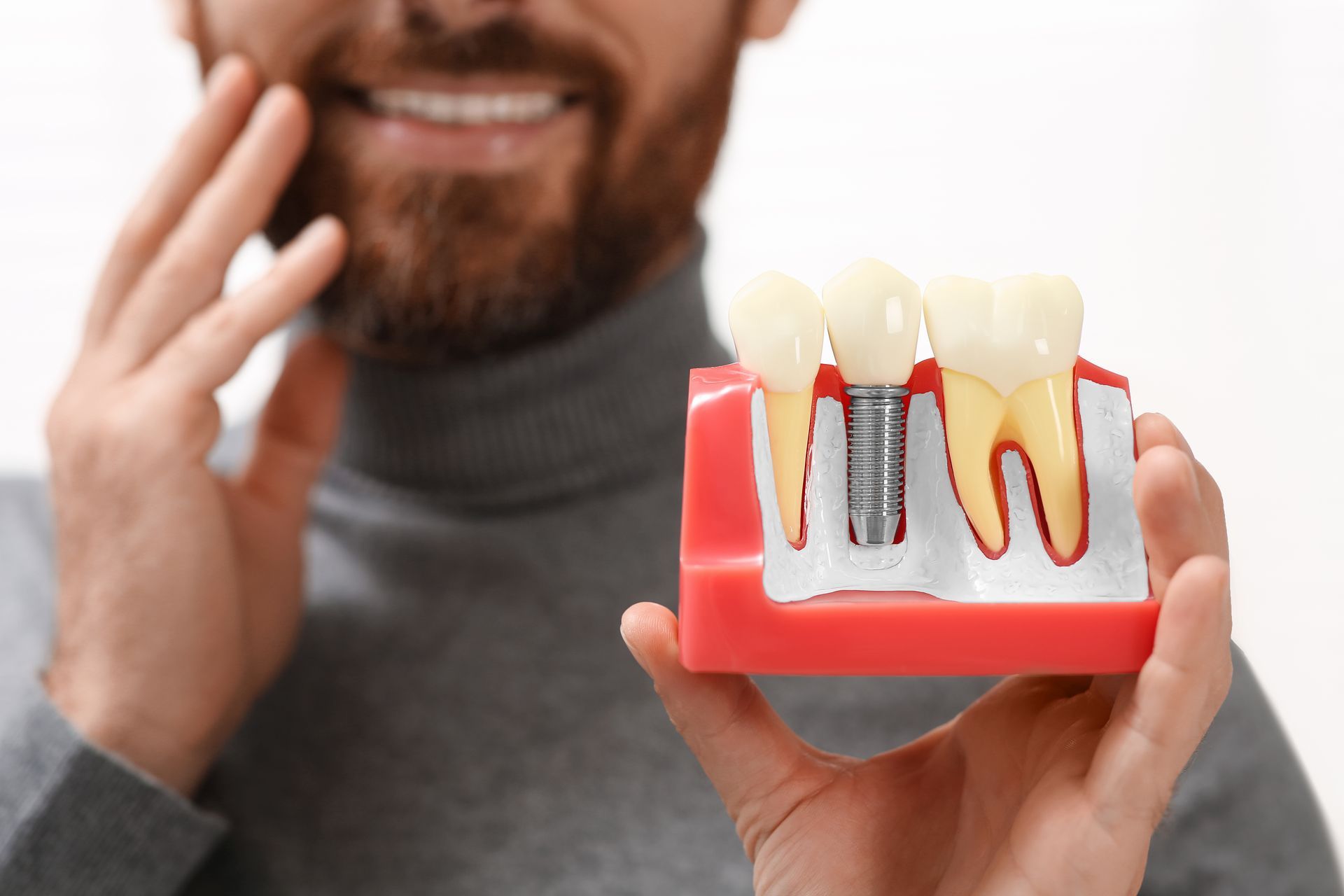
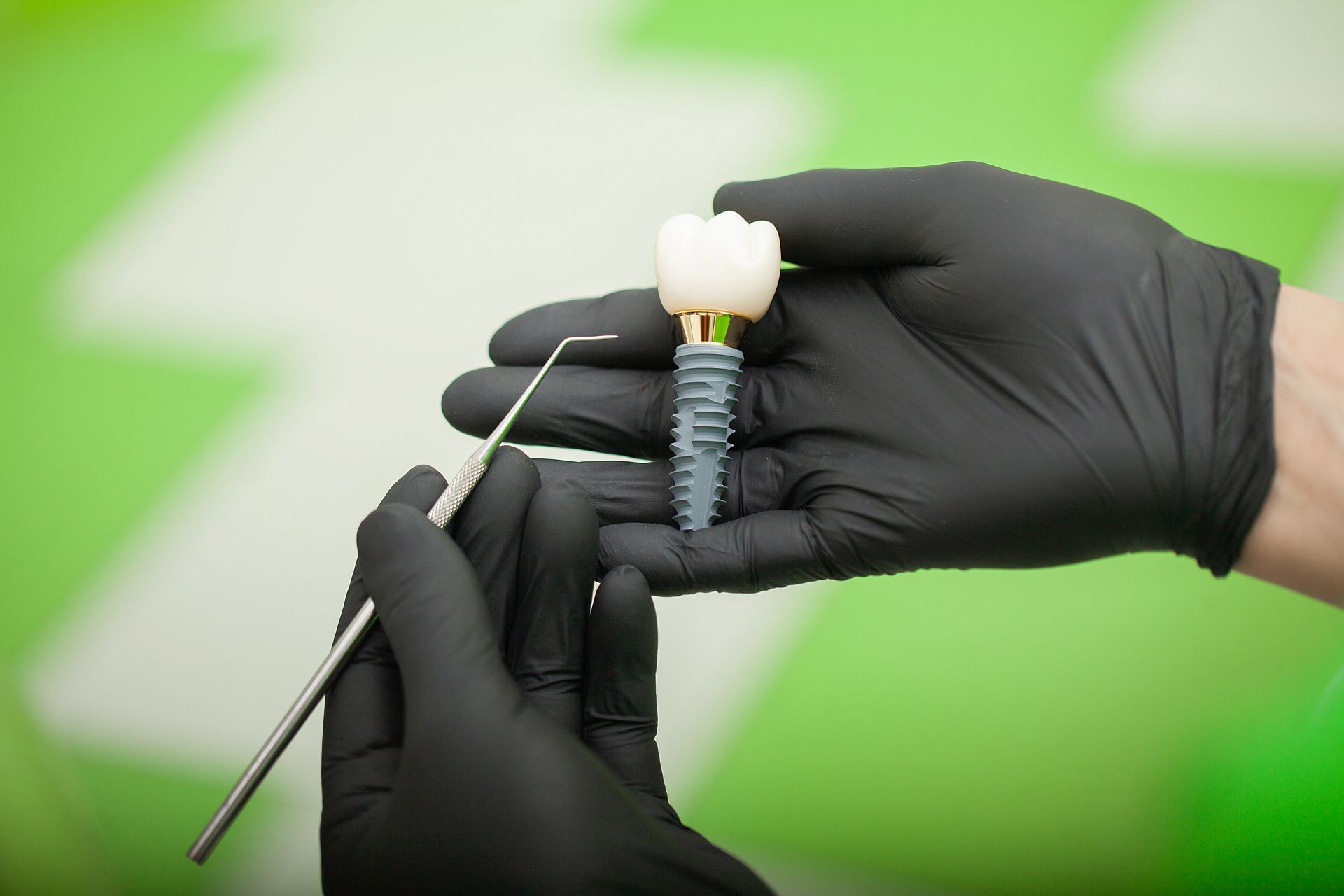
Many patients ask whether a dental implant is “better” than saving a natural tooth. Dental implants can be an excellent option for missing teeth. However, preserving a healthy natural tooth is often preferred where possible because it provides a natural sensation when chewing, support from the surrounding ligament structure, and better preservation of natural bite function.
That said, if a tooth cannot be predictably restored, removing the tooth and replacing it with a dental implant may provide a more stable long-term outcome. Every case is different, which is why a thorough dental assessment is important.
Questions Your Dentist May Consider Before Recommending Treatment
Before recommending whether to save or remove a tooth, your dentist may assess:
- The amount of remaining healthy tooth structure
- Whether infection is present
- Bone support around the tooth
- The long-term prognosis of the tooth
- Your bite and surrounding teeth
- Your overall oral health
- Cost and long-term maintenance considerations
The goal is not simply to treat the immediate problem, but to support your long-term oral health and function.
Signs You Should Not Ignore
If you are experiencing any of the following symptoms, it is important to arrange a dental assessment:
- Ongoing tooth pain
- Swelling around the gums or face
- Pain when biting or chewing
- Sensitivity to hot or cold
- A cracked or broken tooth
- Loose teeth
- Bleeding or infected gums
Early treatment may improve the chances of saving the tooth before more extensive damage occurs.
Preventing Future Tooth Loss
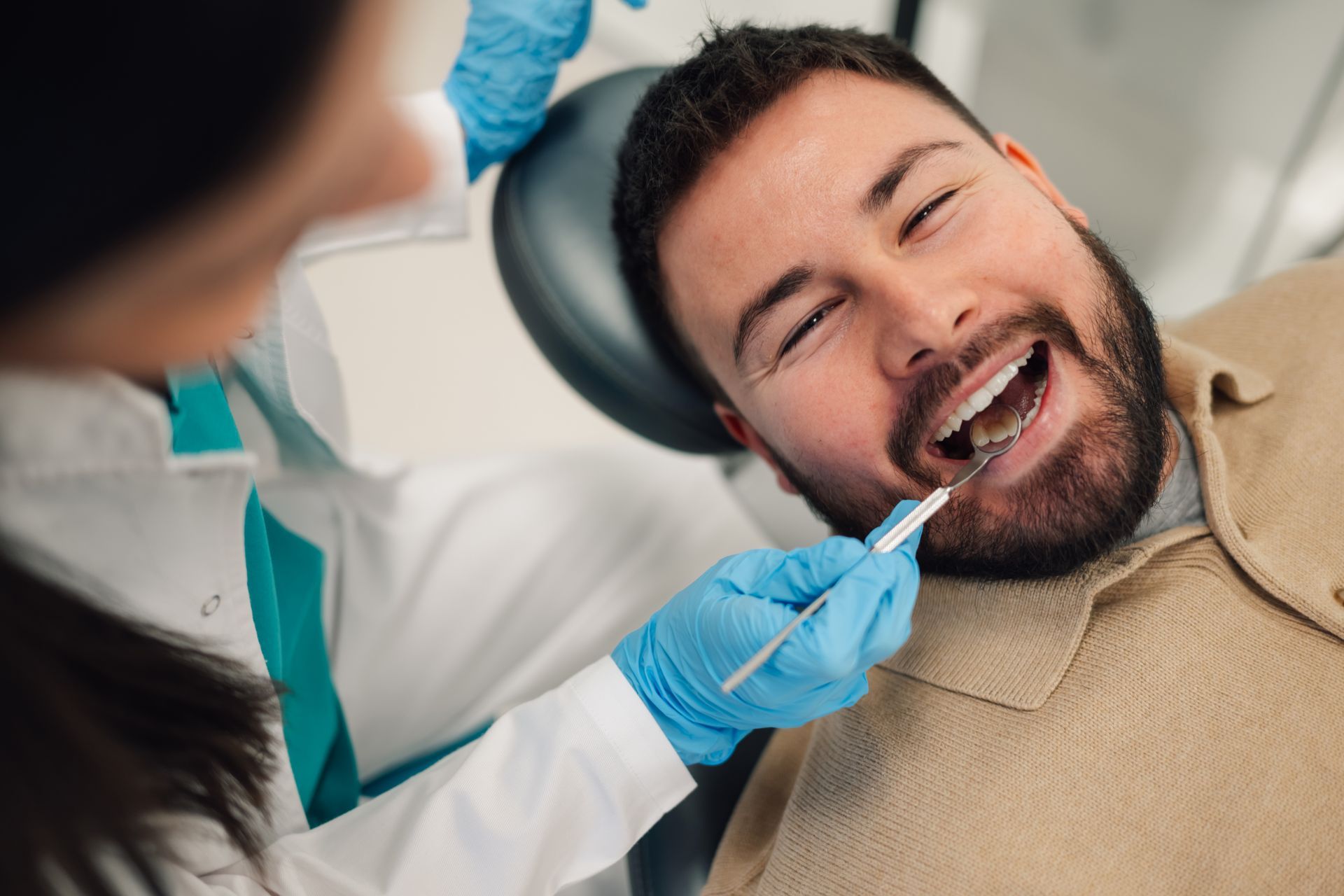
Preventive dental care remains one of the best ways to reduce the risk of tooth loss. Regular dental check-ups and cleans allow your dentist to monitor early signs of tooth decay, cracks and worn teeth, gum disease, and failing fillings or restorations.
Good oral hygiene, reducing sugary foods and drinks, and wearing a custom mouthguard for teeth grinding or sports may also help protect your teeth long term.
Unsure Whether a Tooth Can Be Saved?
If you are experiencing tooth pain, swelling, or a damaged tooth, the team at Garden City Dental Practice can assess your oral health and discuss whether restorative treatment or tooth removal may be the most suitable option.
Book your appointment online or call our team today to discuss your options.